Cancer Care

Cancer Care

6 procedures available

Targeted Drug Therapy

Targeted drug therapy uses medications that attack specific molecular markers on cancer cells — such as imatinib for CML, osimertinib for EGFR-mutant lung cancer, or trastuzumab for HER2-positive breast cancer. Cost depends on the specific drug, whether a domestic generic or imported originator brand is used, and the monthly treatment cycle duration. China has approved numerous domestically manufactured targeted therapy generics at 30-80% below imported originator prices, dramatically reducing the financial burden of long-term cancer treatment.

¥37,400 – ¥350,000(~$5,472 – $51,207)
-78%

Cancer Precision Diagnostic Package

A comprehensive cancer diagnostic workup that may include tumor marker blood panels, advanced imaging (PET-CT, MRI), tissue biopsy with pathology, and genomic profiling to identify actionable mutations. Cost ranges from basic screening with tumor markers and ultrasound to full diagnostic packages incorporating PET-CT, guided biopsy, and next-generation sequencing. China's major cancer hospitals offer integrated diagnostic packages that bundle these services at 50-70% below what patients would pay for equivalent workups at US cancer centers.

¥15,000 – ¥30,000(~$2,195 – $4,389)
-72%

CAR-T Cell Therapy

CAR-T cell therapy is a personalized immunotherapy in which a patient's T-cells are engineered to target cancer cells, then infused back to attack the tumor. Cost is dominated by the CAR-T product itself — imported brands like Kymriah cost significantly more than domestically developed alternatives — plus hospitalization for cytokine release syndrome monitoring. China is the second-largest CAR-T market globally, with domestically approved products priced at roughly one-quarter of the US list price, making this life-saving therapy far more accessible.

¥999,000 – ¥1,290,000(~$146,160 – $188,735)
-49%

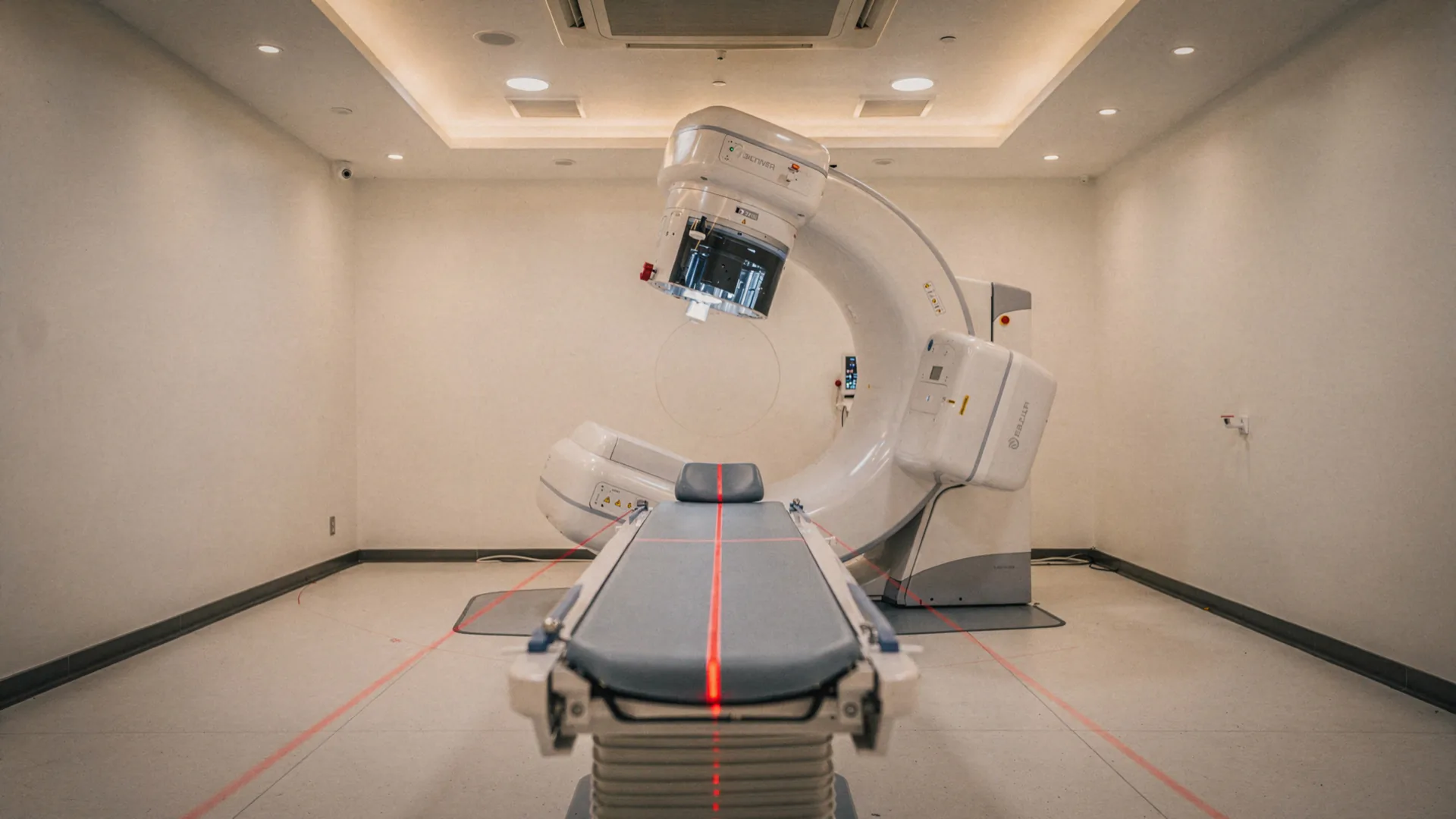
Proton / Heavy Ion Therapy

Proton therapy and heavy-ion (carbon-ion) therapy deliver highly precise radiation to tumors while minimizing damage to surrounding healthy tissue, making them ideal for tumors near critical organs. Cost depends on the number of treatment fractions (typically 20-40 sessions), tumor type and location, and whether proton or the more advanced carbon-ion beam is used. China has rapidly expanded its proton and heavy-ion therapy capacity, with facilities in Shanghai and other cities offering treatment at roughly one-third to one-half the cost of equivalent centers in the US or Japan.

¥170,000 – ¥278,000(~$24,872 – $40,673)
-75%

Immunotherapy

PD-1 / PD-L1

Immune checkpoint inhibitors (PD-1/PD-L1 antibodies) such as Keytruda, Opdivo, or domestic brands like Tyvyt (sintilimab) harness the immune system to recognize and destroy cancer cells. Cost is calculated per infusion cycle, with treatment typically spanning 1-2 years; the choice between imported and domestically developed antibodies is the single largest cost factor. China has approved several homegrown PD-1 inhibitors at prices 60-80% below imported equivalents, making long-term immunotherapy financially sustainable for more patients.

¥15,000 – ¥60,000(~$2,195 – $8,778)
-27%

Oncology Second Opinion

A remote or in-person expert review of an existing cancer diagnosis, pathology slides, imaging, and treatment plan by oncologists at a leading Chinese hospital. Cost depends on whether the consultation is a written report review or a live video consultation, and the tier of the reviewing institution or physician. China's National Cancer Center and top oncology departments offer second opinions with rapid turnaround, providing international patients access to experienced oncologists at a fraction of US consultation fees.

¥3,000 – ¥8,000(~$439 – $1,170)
-63%